Enhancing Workflow at the Point of Care
In busy orthopedic clinics, time and coordination are critical. Routine consultations and follow-up visits often require imaging to confirm diagnoses or monitor healing progress. When patients must be transported for imaging, it extends appointment times and disrupts workflow.
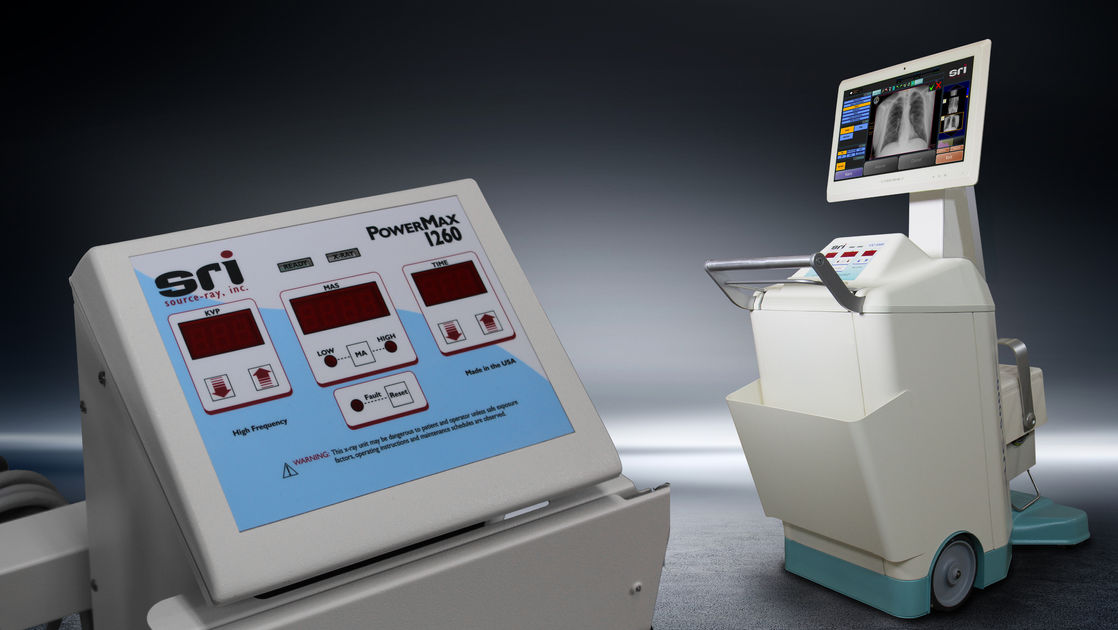
Portable X-ray systems allow bedside imaging in orthopedic clinics, enabling imaging to take place within the exam room. A technologist can capture images on-site, enabling the physician to review results immediately with the patient. This supports faster clinical decision-making, reduces delays between imaging and diagnosis, and keeps patient visits efficient and focused.
For orthopedic surgeons, this immediate access to imaging supports more informed decision-making during consultations. The ability to verify alignment or assess healing in real time helps streamline care.
Supporting Post-Surgical Care and Recovery
Post-operative imaging is a critical step in orthopedic care. Verifying implant placement or alignment traditionally requires moving patients during a vulnerable stage of recovery. This can introduce risks, including discomfort, disruption of stabilization, and potential safety concerns during transport.
Portable X-ray systems enable imaging directly in recovery areas. Surgeons can confirm outcomes without requiring patient movement, supporting safer and more controlled post-operative care. This approach is particularly valuable in environments where minimizing patient handling is essential.
As orthopedic care increasingly extends into rehabilitation centers, nursing facilities, and long-term care environments, portable imaging also reduces the need for external transport. This improves continuity of care while lowering the logistical burden associated with follow-up imaging.
Practical Advantages for Radiologic Technologists
For technologists, daily usability and workflow efficiency are key considerations. Portable X-ray systems designed for clinical environments support ease of positioning within exam rooms and recovery areas. Their compact and maneuverable form allows imaging to be performed in spaces where traditional systems may not be practical.
Digital radiography (DR systems) enables fast image acquisition, reducing the need for repeat exposures and supporting a more efficient workflow. The ability to capture and review images quickly helps technologists maintain productivity while ensuring image quality meets clinical requirements.
Reliable performance in day-to-day use is also critical. Systems that are designed for consistent operation across multiple care settings help reduce interruptions and support a smoother imaging process.
Operational Impact for Clinic Administrators
From an operational perspective, portable X-ray systems contribute to improved efficiency across the clinic. By reducing the need to transport patients, clinics can better manage appointment flow and increase the number of patients seen in a given day.
Equally important is the impact on facility planning and cost management. Dedicated imaging rooms require significant investment in space, build-out, and ongoing overhead. Portable X-ray systems reduce or eliminate the need for these fixed installations, allowing clinics to optimize how their space is used and avoid committing square footage to a single-purpose room.
Keeping imaging within the department also reduces reliance on external resources and minimizes scheduling bottlenecks. This can lead to more predictable workflows and better utilization of staff and equipment.
Reliability plays a central role in long-term value. Systems that are built for consistent performance help reduce equipment downtime and support continuous operation. For administrators, this translates into fewer disruptions and stronger return on investment for portable X-ray systems.
Technology That Supports Clinical Demands
Modern portable X-ray systems combine mobility with high-quality imaging. Digital flat-panel detectors provide detailed images within seconds, supporting accurate assessment of bone structures and alignment. This level of performance is essential in orthopedic applications where precision is critical.
Integrated connectivity allows images to be transferred directly to PACS and RIS systems. This ensures that imaging is immediately accessible to clinicians across different locations, supporting timely review and collaboration when needed.
These capabilities allow portable systems to function as an integrated part of the clinical workflow rather than a standalone tool.
Built for Demanding Clinical Environments
As portable imaging becomes more widely adopted, durability and ease of use are increasingly important. Systems must perform reliably across a range of environments, from exam rooms to surgical recovery areas and extended care facilities.
Source-Ray designs, manufactures, and services US made portable X-ray systems with a focus on consistent performance and practical usability. These systems are built to support real clinical workflows, emphasizing maneuverability, reliability, and dependable imaging in orthopedic settings.
Conclusion
Portable X-ray systems are playing an increasingly important role in orthopedic care by enabling imaging at the point of care. They support faster decision-making for physicians, more efficient workflows for technologists, and improved operational performance for healthcare facilities.
By reducing patient movement, streamlining imaging processes, and maintaining consistent performance across care environments, these systems contribute to more effective and responsive orthopedic care. As clinical demands continue to evolve, reliable portable imaging solutions remains a critical component in supporting both patient outcomes and long-term operational success.