To begin with, Portable X-ray services offer a safer alternative for elderly patients compared to traditional X-rays. The traditional approach requires patients to be transported to a radiology department, which can be challenging and uncomfortable for those with mobility issues or other health complications. By eliminating the need for transportation, Portable X-ray services significantly reduce the risk of falls and accidents during transit.
Additionally, these services save time for both patients and healthcare providers. Traditional X-rays often involve long waiting times, posing a particular challenge for elderly patients who may have difficulty sitting or standing for extended periods. On-site Portable X-ray services eliminate the need for patients to travel to a separate location, minimizing wait times for imaging results.
Furthermore, Portable X-ray services contribute to reducing the risk of cross-contamination. In traditional radiology departments, patients frequently must share imaging equipment, increasing the potential for infection or illness transmission. By bringing the imaging equipment directly to the patient, Portable X-ray services mitigate the risk of cross-contamination and eliminate the need for shared equipment.
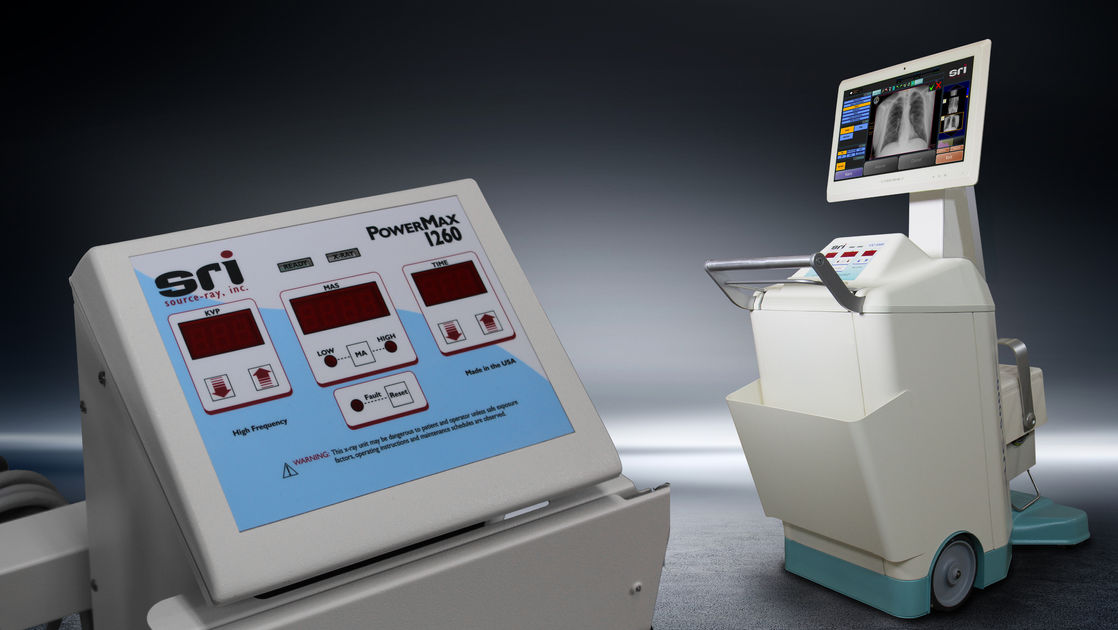
Lastly, Portable X-ray services deliver high-quality imaging results. These services utilize portable X-ray machines designed to produce excellent images in diverse settings such as hospitals, nursing homes, and even patients' homes. Consequently, healthcare providers can accurately diagnose and treat a wide range of conditions, from broken bones to respiratory infections.
In conclusion, Portable X-ray services are an indispensable component of healthcare for the aging American population. They offer improved safety, time efficiency, reduced risk of cross-contamination, and high-quality imaging results, making them an ideal solution for elderly patients in need of diagnostic imaging services.